System design for touring, installation, cinema and performance venues Discuss a venue brief
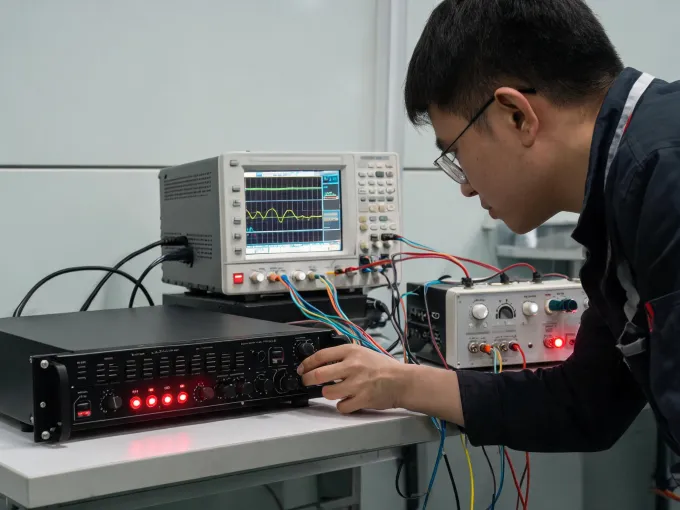
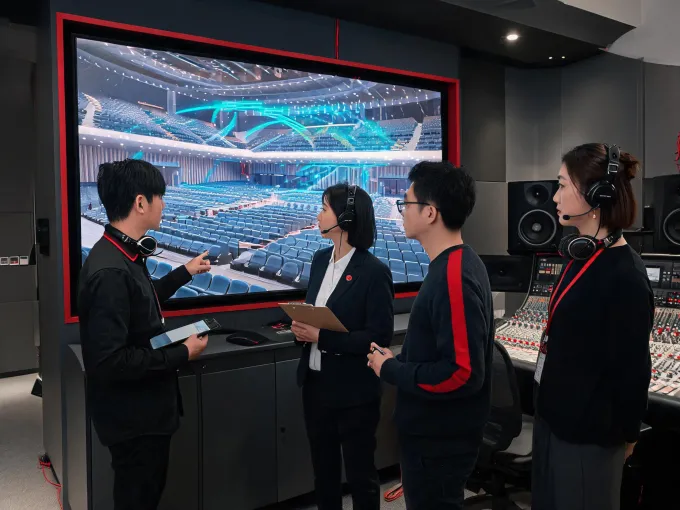
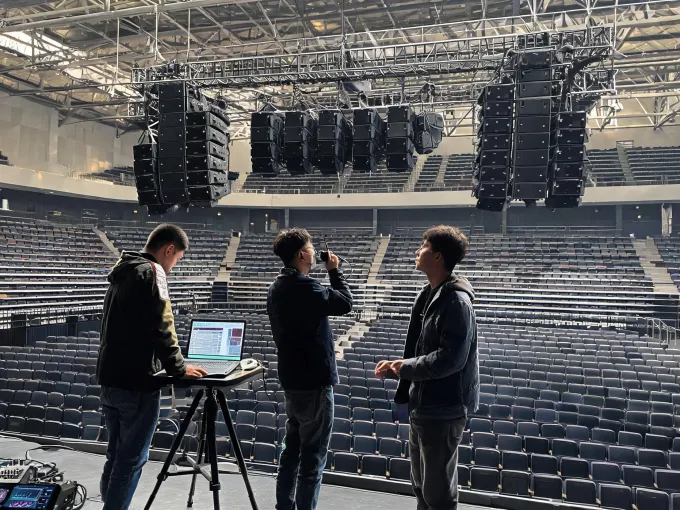
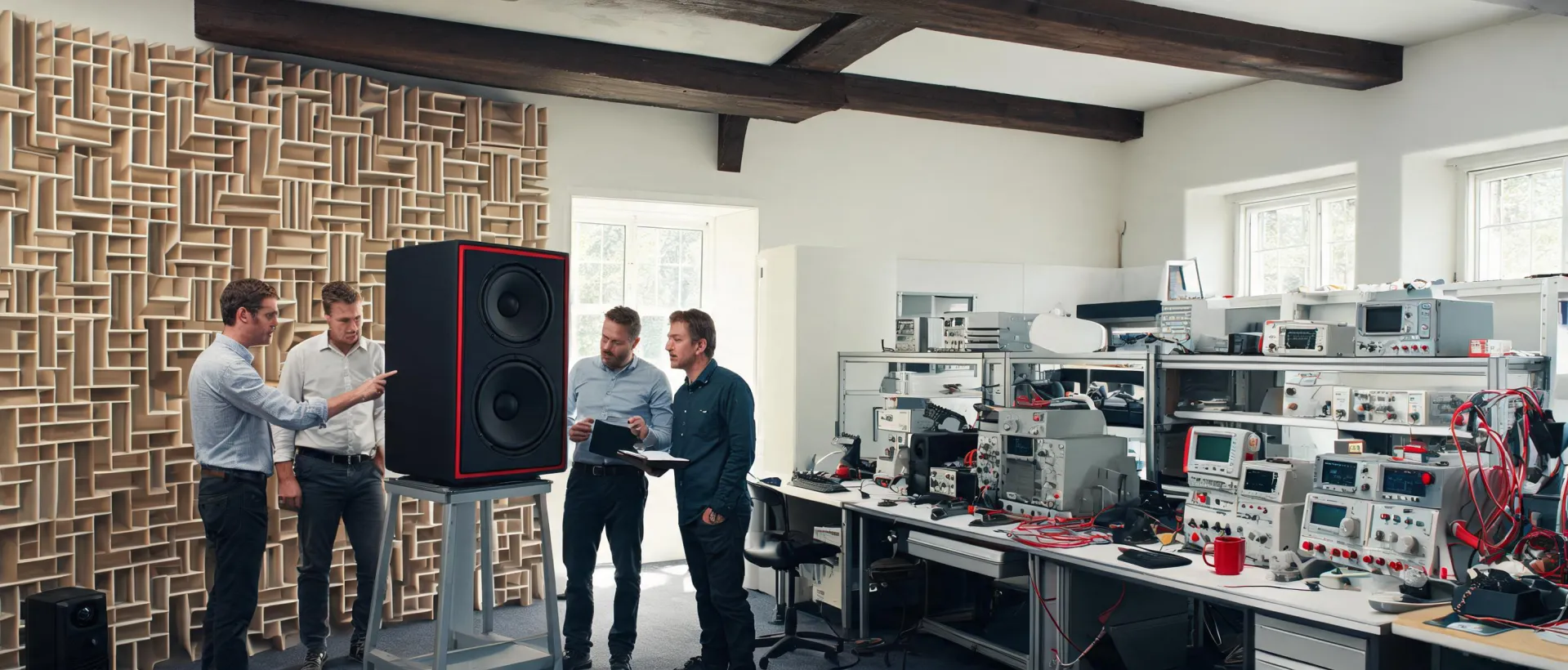
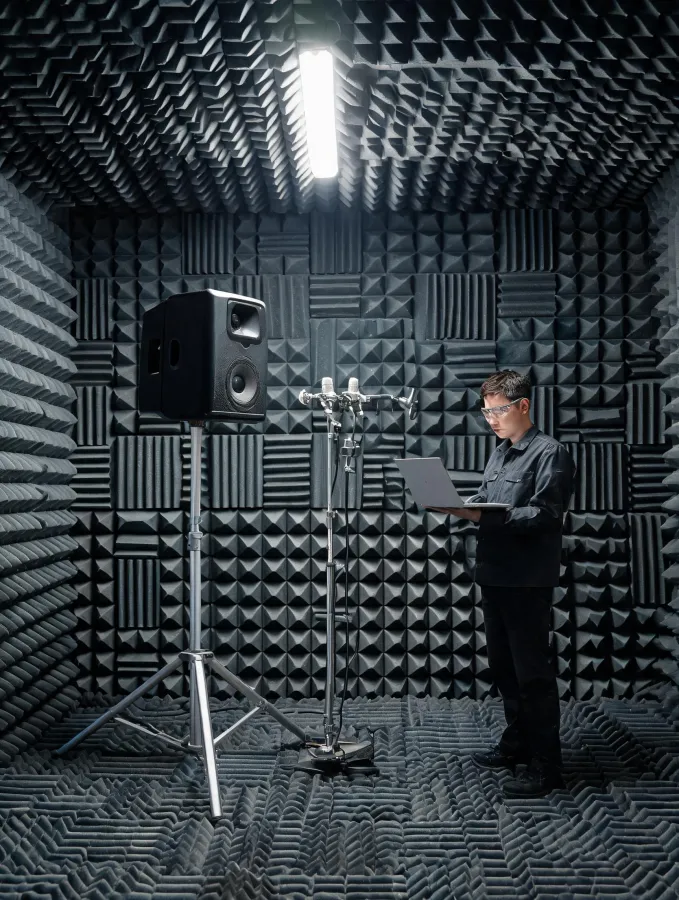
Martin Audio engineering and listening workspace
People behind the system

Martin Audio culture is built around listening, modelling and field evidence

The work moves between acoustic theory, enclosure design, electronics, mechanical safety, software and the realities of a show day. A useful culture keeps those disciplines in conversation.

MISSION / PRACTICAL

Make complex coverage decisions understandable

A professional system may involve many cabinets, amplifier channels and prediction variables, yet the design intent should remain clear to the people who deploy and operate it. The mission is to connect sophisticated control with an intelligible workflow: define the audience objective, show the assumptions, verify the installed result and preserve the settings that matter.

This is why a system document should include more than a product schedule. Coverage planes, mechanical conditions, signal paths and acceptance notes create shared reference points between manufacturer, consultant, integrator, rental partner and venue technician.
VISION / AUDIENCE

Let the system serve the performance without calling attention to itself

The audience should experience a coherent event rather than a sequence of technical compromises. That goal depends on directivity, headroom and tonal balance, but also on sightlines, low-frequency spill, architecture and the operating team's ability to recover from a fault.

Prediction cannot reproduce every occupied-room condition, and a listening test cannot expose every mechanical or coverage risk. The vision therefore treats models, measurements and experienced listening as complementary evidence rather than competing doctrines.

Working principles

Four behaviours that keep a system decision honest

Culture is visible in the quality of a handoff, the clarity of a limitation and the willingness to test an assumption before it reaches the audience.

Declare the boundary

State the audience zone, SPL objective and environmental assumptions. A prediction outside its declared model conditions is not a promise of field performance.

Design across disciplines

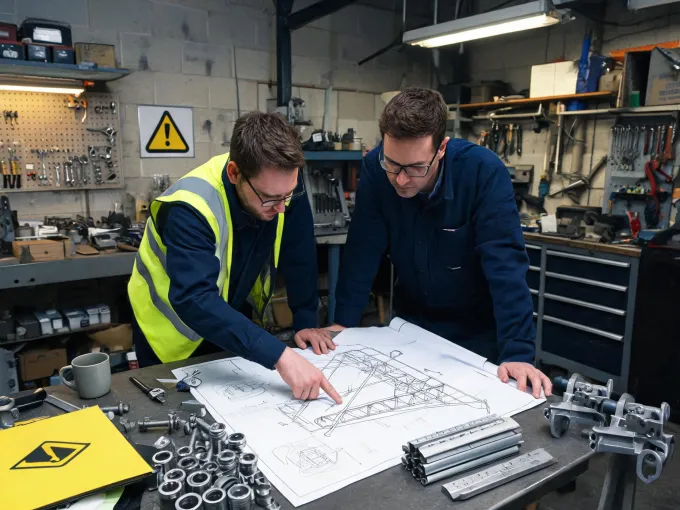
Acoustic optimisation cannot ignore weight, rigging access, cable routes, amplifier capacity or architectural coordination. Trade-offs belong in the review record.

Measure with a question

A trace is useful when the team knows what it is testing: polarity, arrival time, zone transition, headroom or tonal alignment. More data alone does not create a decision.

Leave a recoverable system

Handover files, protected presets and an escalation route help the venue maintain design intent after commissioning personnel have left the room.

Work with the evidence

Bring a specialist viewpoint and stay curious about the whole signal path

Strong professional audio work welcomes disciplined disagreement. Acoustic, mechanical, electronics, software, production and support teams improve a system when they can explain both their preferred method and its limits.

Start a Conversation